Tax in Focus: Current Developments and the Road Ahead
Keeping pace with tax developments has become challenging as domestic measures, international initiatives, administrative reforms and digitalisation efforts continue to evolve alongside one another. Businesses, advisers and tax professionals are often required to consider not only the technical aspects of individual changes, but also how different developments interact and influence the broader tax environment. The result is a landscape where staying informed requires a wider perspective, extending beyond any single area of taxation.
Recent years have seen growing attention placed on a range of issues affecting both taxpayers and practitioners. Domestic tax matters, including legislative changes, Budget measures and administrative developments, remain firmly on the agenda, while indirect tax, customs developments and international initiatives continue to influence the way organisations operate across borders. At the same time, policymakers and tax authorities are focused on improving efficiency, enhancing compliance processes and responding to changes in the global economic environment. These developments highlight the need for ongoing dialogue between regulators, policymakers, businesses and the profession.
Another recurring theme is the drive towards simplification and modernisation. Across different jurisdictions, efforts continue to focus on reducing administrative burdens while maintaining effective tax systems. Discussions surrounding legislative simplification measures, together with initiatives aimed at streamlining reporting and compliance obligations, remain highly relevant for businesses seeking to navigate a complex regulatory environment. While simplification may be an objective, the practical implications of reform often require careful consideration by all stakeholders involved.
Digitalisation also continues to shape the future of tax administration. E-invoicing and related digital reporting measures are becoming a prominent feature of tax systems worldwide, reflecting broader efforts to improve efficiency, increase transparency and facilitate compliance. As these developments progress, businesses and advisers are considering how technology can be integrated into existing processes while balancing operational, regulatory and practical considerations.
Alongside these developments, sector-specific challenges and emerging international initiatives continue to influence the tax discussion. Changes affecting internationally active businesses, developments in customs and indirect taxation and evolving cross-border reporting requirements all demonstrate the growing interconnectedness of tax systems. Understanding these trends requires not only technical knowledge but also an appreciation of the wider policy objectives that underpin them.
Looking ahead, there is also growing interest in identifying the developments that may shape the tax agenda in the years to come. Whether through legislative reform, administrative initiatives or international cooperation, tax professionals are required to anticipate change rather than simply respond to it. Gaining visibility of emerging priorities can help businesses and advisers prepare for future developments and contribute more effectively to ongoing discussions.
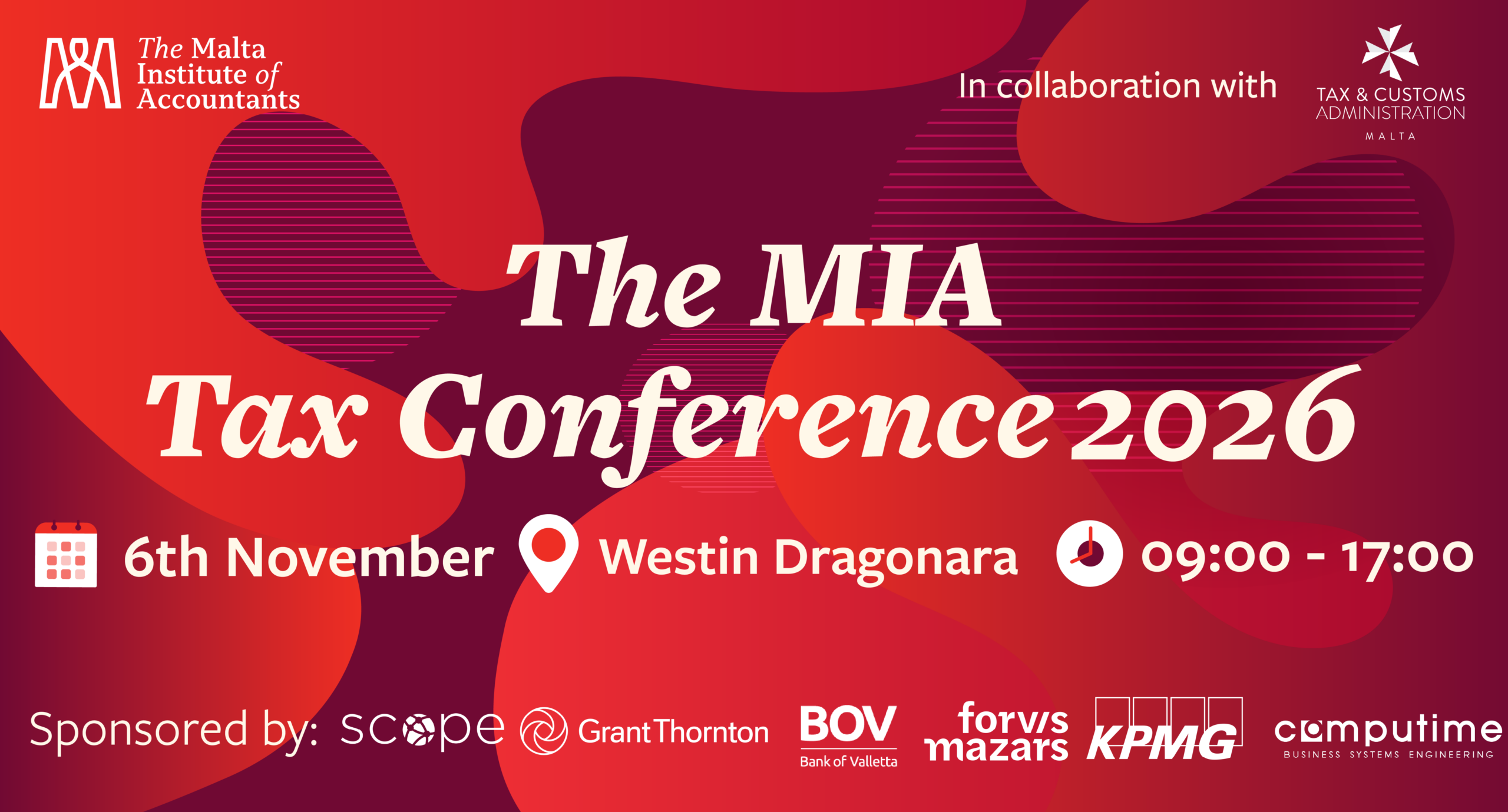
Many of these themes are reflected in the proposed programme for the MIA Tax Conference 2026, being organised in collaboration with the Malta Tax Consultants Association (MTCA) on 6 November 2026. Bringing together updates, discussions and focused breakout sessions, the conference is intended to provide a practical overview of current developments while also encouraging reflection on the future direction of tax policy and administration. Through this broader perspective, it seeks to support informed discussion on many of the issues currently shaping the tax landscape.